
Window wedges — sometimes called window balance wedges, sash wedges, or pivot shoes — are small but critical components that help your window operate smoothly and stay in place when open. When a wedge wears out or breaks, you might notice your window won’t stay open, slams shut on its own, is hard to move, or sits crooked in the frame. Replacing a window wedge is a manageable repair if you know what you’re dealing with, so here’s a walkthrough of what’s involved.
What Does a Window Wedge Actually Do?
In most modern double-hung and single-hung windows, wedges work as part of the balance system. They connect the window sash to the balance mechanism (usually a coiled spring or a block-and-tackle system) hidden inside the window frame’s jamb channel. The wedge sits at the bottom of the sash and clips into the balance, providing the tension that lets you slide the window up and down while keeping it in position wherever you leave it. When the wedge cracks, wears out, or pops loose, the sash loses its connection to the balance — and that’s when your window starts falling or getting stuck.
Step-by-Step: Replacing a Window Wedge
Step 1: Identify your window type and wedge style. This is the most important step and the one that trips up most DIYers. Window wedges are not universal — different manufacturers use different designs, and even within the same brand, the wedge style can vary by window series and year of production. Before you order a replacement, look for any brand markings on the window hardware, the balance, or stamped into the sash. Common brands include Caldwell, Biltbest, Ashland, and Block. If you can remove the old wedge intact, bring it to a hardware supplier for matching.
Step 2: Remove the window sash. For most double-hung windows, you’ll need to tilt the sash inward first. Release the tilt latches at the top of the lower sash (the small clips on either side), then tilt the sash toward you until it’s roughly horizontal. From there, you can usually lift one side of the sash to disengage it from the jamb channel on that side, then the other. Go slowly and support the sash — it can be heavier than you expect.
Step 3: Disconnect the old wedge from the balance. Once the sash is out, you’ll see the wedge at the bottom of each side of the sash, clipped into the balance spring or cord in the jamb channel. Carefully detach the wedge from the balance. Depending on the design, this might involve pressing a release tab, sliding it out of a track, or simply pulling it free. Take note of how it’s oriented — you’ll need to install the new one the same way.
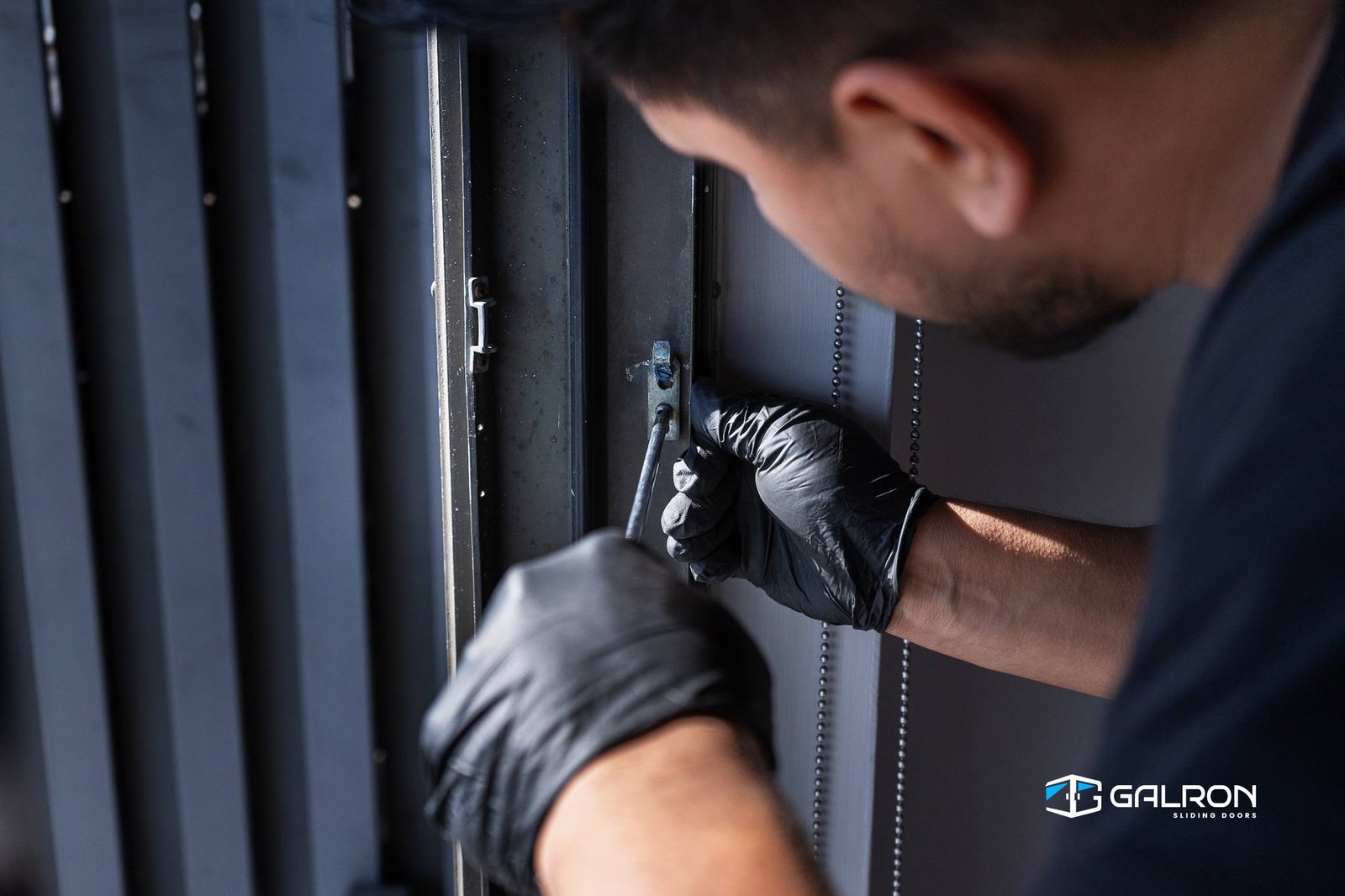
Step 4: Remove the old wedge from the sash. The wedge is typically seated in a channel or pocket at the bottom corner of the sash. It may be held in place by friction, a small screw, or a snap-fit clip. Gently pry it out with a flathead screwdriver if it’s stuck. Avoid excessive force — vinyl sash components can crack if you’re too aggressive.
Step 5: Install the new wedge. Seat the new wedge into the same pocket or channel. Make sure it’s fully snapped in or secured and oriented correctly — the attachment point that connects to the balance should be facing the jamb channel side. If it doesn’t fit, double-check that you have the right replacement part for your window model.
Step 6: Reconnect the balance and reinstall the sash. Attach the new wedge to the balance mechanism in the jamb channel, then reverse the removal process to set the sash back in place. Tilt it back into position, engage both sides into the jamb channels, and snap it upright. Test the window by sliding it up and down — it should move smoothly and stay in place when you let go.
“The actual swap takes five minutes once you have the right part. The hard part for homeowners is identifying which wedge they need — there are dozens of variations and they all look similar but aren’t interchangeable. Getting the wrong one means a wasted trip and a window that still doesn’t work.”
Where It Gets Tricky
The biggest challenge with a DIY wedge replacement is sourcing the correct part. If your windows are more than 10-15 years old, the original manufacturer may have changed designs, been acquired by another company, or gone out of business entirely. Generic “universal” wedges exist but don’t fit every window — and an ill-fitting wedge will either pop out of place quickly or fail to hold the sash properly. If you can’t identify the right part, a window repair professional will have access to a much broader parts inventory and the experience to match the correct component to your window.
The other common issue is discovering that the balance itself — not just the wedge — has failed. A broken coil spring or frayed block-and-tackle cord means the wedge has nothing to connect to. If you pull the sash out and find a limp or disconnected balance, you’ll need to replace the balance system as well, which is a more involved repair.
Need Help with a Window Wedge or Balance Repair?
Galron Sliding Doors carries a full range of window wedges, pivot shoes, and balance systems for all major window brands. We serve all of Chicagoland and Northwest Indiana, and our technicians can identify and install the correct part on the spot — no guessing, no wasted trips to the hardware store. Call (708) 294-8325 or request a free estimate online and we’ll take care of it.